
A Windows iPad Look Without the iPad
iPadian is a Windows iOS simulator that recreates an iPad-style home screen on a PC. It runs as a standalone app and wraps common tools into an icon-based dashboard that feels like a tablet launcher. The focus stays on visual familiarity, not on copying the real iOS operating system or its security model at all.
Unlike an emulator, iPadian does not run native iPhone or iPad apps, and it cannot access the Apple App Store. Most apps inside it act like web app shortcuts, so an internet connection matters for many features. A free edition includes ads, while a paid edition removes ads and adds more apps, depending on package.
iPadian opens an iPad-like interface with a grid of icons, a search field, and quick links to popular services. A sidebar can pin favorites for faster access, which helps simple multitasking inside the app. The experience works best for browsing, messaging, and media through built-in shortcuts, rather than deep editing or device-level controls on your desktop without changing Windows settings.
What does iPadian actually do
Calling iPadian an iOS emulator causes confusion. The software does not boot iOS, install IPA files, or provide a developer-grade testing environment. App tiles generally link to web-based experiences, so performance depends on the site behind each icon. Anyone expecting true iPhone app behavior hits a hard limit quickly. Offline use stays limited, especially for streaming and social features here.
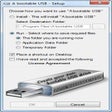
Some installers include optional bundled offers, so reading each setup screen matters before clicking Next. The free version shows ads, which can distract during longer sessions, while the paid version focuses on an ad-free layout and a wider set of included shortcuts. Customization exists, but the overall interface stays fairly fixed compared to real iOS for users who tweak layouts.
Who gets the most value from it
iPadian fits people who want an iPad-style interface on Windows for casual use, quick web shortcuts, and a tablet-like look on a desktop. It excels at giving a familiar layout and an easy way to open common services in one place. The same design brings clear downsides: it cannot run real iOS apps, offline use stays limited, and installation requires attention to optional add-ons. For curiosity and light browsing, it does the job without pretending to replace an actual iPad.
Pros
- iPad-style dashboard that groups common shortcuts in one place
- Paid edition offers an ad-free layout with more included app tiles
Cons
- No real iOS apps or Apple App Store support, since it is not an emulator
- Offline use stays limited, and installation can include optional bundled offers