
In-depth roman city management
CivCity: Rome, developed by Firefly Studios, delivers a detailed city-building experience set within the Roman Empire, exclusively for Windows. The game combines urban planning, strategic infrastructure management, and a family-focused storyline, giving players both macro and micro-level control. A standout feature is the ability to explore interiors of key structures, such as villas, forums, and Roman baths, providing insight into the daily lives of citizens. This combination of strategic planning and immersive exploration sets it apart from traditional city-builders.
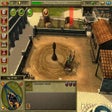
Players can inspect the interiors of major buildings, enhancing immersion while managing cities. The game’s districts and structures reflect authentic Roman architecture and social functions, helping players understand how citizens interact within urban environments. These interior views complement the main city-management mechanics, including residential planning, economic growth, and infrastructure expansion, without altering the overall focus on strategic city development.
Explore roman interiors and districts
Strategic progression and family dynamics
CivCity: Rome features a technology tree with over 70 advancements, influencing city infrastructure, economy, and diplomacy. Additionally, the game tracks a Roman family whose outcomes depend on player choices, integrating a personal narrative with broader city management. While these features add depth, the simulation remains straightforward compared with more modern city-building titles, balancing complexity with accessibility.
Final thoughts
CivCity: Rome offers a focused historical city-building experience that blends strategic planning with the unique ability to explore interiors. The game’s Windows-only availability, documented system requirements, and clear mechanics make it accessible to players interested in Roman urban life. While some features may feel less integrated than modern city simulations, the combination of technology progression, family storyline, and interior exploration provides a compelling and historically themed simulation.
Pros
- Unique interior exploration enhances immersion
- Extensive technology tree supports strategic planning
- Family-focused narrative adds personal stakes
Cons
- Windows-only platform limits accessibility
- Integration of family storylines with city management is modest
- Strategic depth is simpler compared with modern city-builders