
A brutal climb built on choices
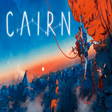
Cairn turns mountain climbing into a tense survival journey where every hold matters. Its free-route climbing gives players rare control over how they move under real pressure, making it stand out in the gaming community for treating each wall like a problem to solve, not just a path to follow.
Cairn follows Aava as she attempts Mount Kami, a summit no one has reached before. The resource survival system keeps every decision tight, from chalk and pitons to food and medicine, giving gamers a demanding adventure where planning, patience, and risk matter as much as movement through every hard ascent.
Cairn works because its climb is not only about reaching the top. The limb-based movement makes each hand and foot placement feel deliberate, so careless rushing can send Aava into danger fast. Controls are readable after practice, but the physical rhythm takes patience. The story also gives the mountain emotional weight, as Aava’s ambition slowly becomes a question of sacrifice, pride, and endurance on the wall.
Why every ascent feels personal
That pressure grows through piton placement, bivouac setup, and careful route reading before each risky stretch. Compared with Jusant, the game feels harsher and more survival-focused, while Death Stranding players may recognize the same satisfaction of planning movement through hostile terrain. The challenge can feel stressful when supplies run low, yet that same pressure makes small progress feel surprisingly rewarding after a clean recovery near the summit.
Longer climbs rely on adjustable difficulty and accessibility options, which help more players stay with the journey without removing its identity. Performance has improved through updates, though some technical issues and awkward recovery moments can still break focus. The experience is slow by design, so players wanting constant action may struggle, but patient climbers get a memorable survival story shaped by every careful grip without feeling cheap.
A demanding ascent worth taking
Cairn is easy to recommend for players who enjoy slow tension, smart planning, and survival built around movement. Its best moments come from choosing a route, managing supplies, and recovering from mistakes that feel personal. It can be stressful and sometimes rough, but the climb stays rewarding because every meter gained feels earned through focus, patience, and brave decision-making rather than automatic checkpoints or shortcuts.
Pros
- Freedom makes routes feel personal
- Survival choices create real tension
- Story adds emotional weight
- Difficulty tools improve access
Cons
- Slow pace may not fit everyone
- Supply pressure can feel stressful
- Some recovery moments feel awkward
- Technical issues may break focus