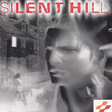

Fog and dread define this horror
Silent Hill is a survival horror game that drops you into a town where the rules keep changing. The Psychological horror atmosphere does the heavy lifting, turning walks and rooms into stress tests. It’s one of those horror games that helped define how fear can come from uncertainty, not just monsters.
In horror games conversations, Silent Hill is still a reference point for slow-burn tension and beats that stick. Multiple endings give choices real weight, and the pacing makes every wrong turn feel personal. It can feel rough in spots, but the mood, mystery, and pressure keep players pushing forward.
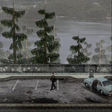
Silent Hill keeps you moving through streets that loop back on themselves, with Maze-like layouts that make even a short trip feel risky at first. Progress usually comes from Key-and-code puzzles, so attention matters more than twitch aim. The story feeds you clues in small doses, then lets your imagination do the rest. Some sections can slow down with backtracking, but the suspense holds.
How the town design drives tension
When danger shows up, Limited weapons and supplies force hard calls: stand your ground, slip past, or run and regroup. Controls are simple enough to learn fast, but the game expects patience with older-feeling movement and sometimes oddly awkward hits. Checkpoints and menus keep progress manageable, and the tension stays high because mistakes cost time. Long sessions can reveal small bugs, so saving often helps.
Replay value comes from trying different approaches in key scenes and seeing how your decisions ripple through the last stretch. The pacing leans more combat-heavy near the end, which can feel less subtle than the earlier mind games. Still, the town’s mood is hard to shake. If you want similar horror games, Resident Evil HD Remaster is more action-focused, while Amnesia: The Dark Descent leans into helpless dread.
A classic horror trip worth taking
Silent Hill remains a must-play among horror games for players who want slow-burn tension, smart progression, and a story that leaves room for interpretation. The early hours build pressure through uncertainty, and the midgame keeps momentum with steady goals and constant unease. It shows its age in movement and a few rough moments, but the experience still hits harder than many newer scares. Worth grabbing for a focused weekend playthrough.
Pros
- Builds fear through uncertainty and steady tension
- Keeps progress goal-focused instead of aim-focused
- Choices make key moments feel personal
Cons
- Backtracking can slow the pacing
- Movement and hits can feel awkward at times
- Longer sessions may surface small bugs




-icon.png)